Ethiopia is often described as a land of ancient traditions, where faith and culture intertwine in daily life. Among the most enduring and influential institutions in Ethiopian society is the Ethiopian Orthodox Tewahedo Church. With a history stretching back over 1,600 years, Orthodox Christianity is not just a religion in Ethiopia; it is a powerful force that shapes identity, community, art, education, and even the calendar by which Ethiopians live. This article delves into the multifaceted influence of Orthodox Christianity in Ethiopian society, exploring its historical roots, cultural impact, social roles, and its continued significance in the 21st century.
The Roots of Orthodox Christianity in Ethiopia
Orthodox Christianity in Ethiopia traces its origins to the 4th century CE, making it one of the oldest Christian traditions in the world. The conversion of King Ezana of the Aksumite Empire, under the guidance of Syrian missionary Frumentius (later Abba Selama), marked Ethiopia as one of the first nations to officially adopt Christianity. This early adoption was pivotal, embedding the faith deeply into the nation’s political and cultural foundation.
The Ethiopian Orthodox Tewahedo Church developed unique practices that distinguish it from other branches of Christianity. For example, the Ethiopian Church has its own canon, with 81 books in the Bible, compared to 66 in most Protestant traditions. Its liturgical language, Ge’ez, remains central to church life, even though it's no longer spoken conversationally.
By the 21st century, approximately 43% of Ethiopia’s population—about 50 million people—identify as Ethiopian Orthodox Christians, according to the 2019 Pew Research Center report. The Church’s influence, however, extends well beyond its formal adherents, permeating all layers of society.
Art, Architecture, and Ethiopian Identity
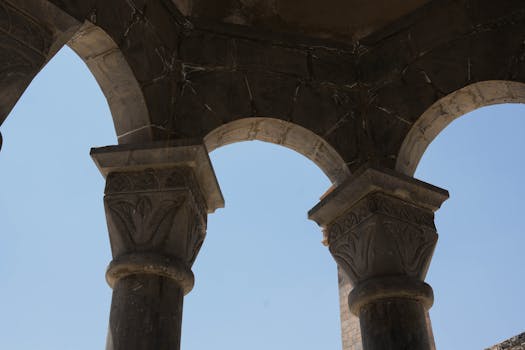
Orthodox Christianity has left an indelible mark on Ethiopian art and architecture. The world-famous rock-hewn churches of Lalibela, carved out of solid stone in the 12th and 13th centuries, are among the most remarkable religious structures globally and are recognized as a UNESCO World Heritage site. These churches are not only places of worship but also symbols of Ethiopian ingenuity and spiritual devotion.
Religious art flourished under the aegis of the Church. Illuminated manuscripts, vibrant iconography, and processional crosses are central to Ethiopia’s artistic heritage. The use of bold colors, especially reds and golds, and the depiction of biblical scenes with Ethiopian features, reflect a unique cultural syncretism.
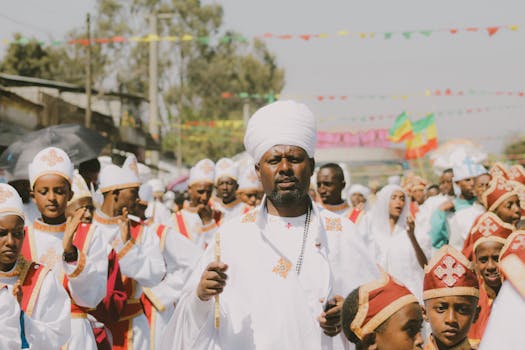
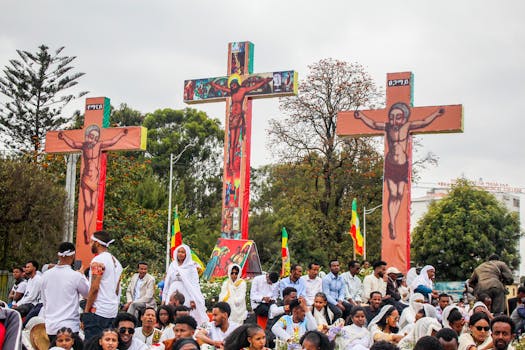
Beyond monumental architecture, Orthodox Christianity shapes everyday aesthetics. Almost every Ethiopian Orthodox household displays icons of saints or the Virgin Mary. Religious festivals, such as Timkat (Epiphany) and Meskel (Finding of the True Cross), are accompanied by elaborate processions, music, and dance, reinforcing a sense of communal identity.
Education, Literacy, and Social Structure
The Ethiopian Orthodox Church has historically been the primary provider of education in Ethiopia. Until the 20th century, church schools were the main centers of literacy, teaching children to read Ge’ez and Amharic so they could participate in religious life. Even today, thousands of church schools across the country continue to teach religious texts and liturgy.
This educational role had significant social implications. Clergy members were often among the most literate and respected individuals in their communities, acting as advisors, judges, and record-keepers. The Church’s monopoly on education also meant that its teachings were deeply internalized, shaping moral values and social norms.
A notable example is the influence of religious teachings on marriage and family life. Orthodox Christianity emphasizes monogamy, the sanctity of marriage, and respect for elders. The Church also plays a central role in rites of passage such as baptism, confirmation, and funerals, marking key moments in the social life of Ethiopians.
Calendars, Festivals, and Public Life
One of the most visible influences of Orthodox Christianity in Ethiopia is the Ethiopian calendar. Unlike the Gregorian calendar used in much of the world, the Ethiopian calendar is based on the ancient Coptic system and is roughly seven to eight years behind the Western calendar. This means that Ethiopian Christmas (Genna) falls on January 7th, and the New Year (Enkutatash) is celebrated on September 11th.
Religious festivals are central to public life, often lasting several days and involving entire communities. Timkat, the celebration of the Epiphany, draws hundreds of thousands of people and features the ritual procession of the Tabot—replicas of the Ark of the Covenant—accompanied by singing, dancing, and communal feasts.
Fasting is another key aspect, with Orthodox Christians observing up to 180 fasting days per year, including Lent (Hudade) and numerous saints’ days. During these periods, adherents abstain from meat and dairy, which not only shapes culinary traditions but also has an economic and social impact.
The following table compares some key aspects of religious festivals and calendars in Ethiopia and the West:
| Aspect | Ethiopian Orthodox Christianity | Western Christianity |
|---|---|---|
| Main Calendar | Ethiopian (Coptic-based), 13 months, 7-8 years behind Gregorian | Gregorian, 12 months |
| Christmas | January 7 (Genna) | December 25 |
| Epiphany | January 19 (Timkat) | January 6 |
| Fasting Days | Up to 180 days/year | Typically 40 days (Lent) |
| Major Religious Festivals | Timkat, Meskel, Genna, Fasika (Easter) | Christmas, Easter, Pentecost |
Orthodox Christianity and Social Cohesion
Orthodox Christianity in Ethiopia is more than a faith; it is a source of social cohesion and resilience. The Church’s deep-rooted presence provides a sense of stability and continuity, especially in times of political upheaval or social change. It is a unifying force in rural areas, where the local church is often the heart of the village.
In times of famine, conflict, or crisis, the Church has played a mediating role, mobilizing resources for the vulnerable and promoting peace. For example, during the 1984-85 Ethiopian famine, church groups were instrumental in distributing aid and providing shelter.
The Church also fosters a sense of collective responsibility through mutual aid associations, known as "mahiber" and "senbetie." These groups, organized around saints’ days or church communities, provide social support, financial assistance, and help with funerals and weddings.
However, the Church’s influence is not without challenges. Tensions have sometimes arisen between Orthodox Christians and other religious groups, particularly in regions where Islam or Protestant Christianity are growing. Yet, the overall impact of the Church on social cohesion remains significant.
Modern Challenges and the Future of Orthodox Christianity in Ethiopia
The 21st century brings new challenges and opportunities for the Ethiopian Orthodox Tewahedo Church. Urbanization, migration, and increasing religious pluralism are reshaping traditional patterns of worship and community life. According to the Pew Research Center, the percentage of Protestants in Ethiopia has risen from 10% in 1994 to over 22% in 2019, particularly in urban areas.
The Church faces internal debates over modernization and the role of women, as well as external pressures from secularization and political interference. In recent years, disputes over church leadership and property have sparked tensions within the Orthodox community.
Nonetheless, the Church remains a powerful moral and cultural anchor. Pilgrimages to sacred sites like Lalibela and Axum continue to draw millions. The Church’s charitable activities, including schools and clinics, play a vital role in national development.
To maintain its relevance, the Ethiopian Orthodox Church is increasingly engaging with youth, adopting new technologies, and supporting interfaith dialogue. Its ability to adapt while preserving core traditions will determine its influence in the decades to come.
Enduring Legacy: The Influence of Orthodox Christianity in Ethiopian Society
The influence of Orthodox Christianity in Ethiopian society is profound and enduring. From shaping the national calendar and artistic heritage to providing education and social support, the Church is woven into the fabric of Ethiopian life. Despite modern challenges, its spiritual, cultural, and social imprint remains strong, offering a sense of identity and belonging to millions.
As Ethiopia continues to evolve, the Orthodox Church stands as a testament to the country’s unique history and resilience. Its legacy is visible not only in ancient manuscripts and stone churches but in the daily lives, values, and celebrations of the Ethiopian people.