Ethiopia is a country celebrated for its diverse landscapes, rich history, and vibrant culture. Yet, beneath the surface of its natural beauty and dynamic society, Ethiopia faces profound environmental challenges that threaten not only its ecosystems but also the well-being of its people and future generations. As the second-most populous nation in Africa, Ethiopia is at a crossroads, balancing rapid population growth and economic aspirations with the urgent need to protect its environment. Understanding the scale and complexity of Ethiopia’s environmental problems is essential for anyone concerned about sustainable development in Africa or the planet at large.
Deforestation: The Disappearing Forests of Ethiopia
One of the most pressing environmental issues in Ethiopia is deforestation. Historically, Ethiopia was home to vast tracts of indigenous forests. In the early 20th century, forests covered approximately 40% of the country’s land area. Today, that figure has plummeted to less than 15%, according to the Ethiopian Ministry of Environment, Forest and Climate Change. Each year, the country loses an estimated 92,000 hectares of forest, driven by agricultural expansion, fuelwood collection, and urbanization.
The consequences of deforestation are severe. Forests play a crucial role in protecting soil from erosion, maintaining water cycles, and preserving biodiversity. The destruction of Ethiopia’s forests has led to the loss of valuable plant and animal species, many of which are found nowhere else on earth. Furthermore, deforestation disrupts traditional livelihoods, especially among rural communities that rely on forest resources for food, medicine, and building materials.

Efforts to combat deforestation have included large-scale tree planting initiatives. For instance, in July 2019, Ethiopians planted over 350 million trees in a single day—a world record. However, reforestation faces challenges such as land tenure disputes, lack of resources for seedling care, and competing land uses. Sustainable solutions will require integrated policies that balance environmental conservation with economic needs.
Soil Erosion and Land Degradation: A Silent Crisis
Ethiopia’s topography, with its rugged highlands and steep slopes, makes it naturally prone to soil erosion. However, human activities have greatly accelerated this process. Overgrazing, unsustainable farming practices, and deforestation have stripped the land of protective vegetation, leaving soils vulnerable to wind and water erosion.
According to the World Bank, an estimated 1.5 billion tons of fertile soil are lost annually in Ethiopia. This is a staggering amount, equivalent to losing about 2% of the country’s total arable land each year. The results are visible in the form of gullies, barren hillsides, and declining agricultural productivity. Land degradation directly affects food security, with over 80% of Ethiopians depending on agriculture for their livelihoods.
To address land degradation, Ethiopia has implemented several watershed management and soil conservation projects. These include constructing terraces, planting grasses and trees on slopes, and promoting agroforestry. While such efforts have shown localized success, scaling them up to the national level remains a significant challenge due to resource constraints and the need for greater community engagement.
Water Scarcity and the Impact of Climate Change
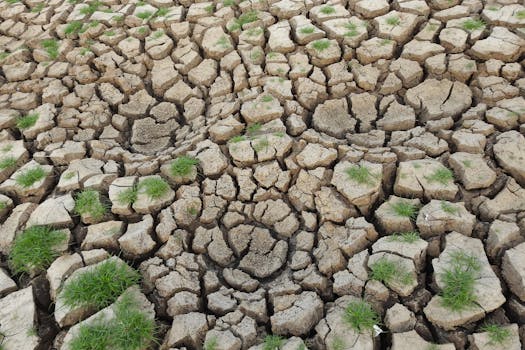
Water is a critical resource in Ethiopia, not only for agriculture but also for human consumption and energy production. Despite being the source of major rivers like the Blue Nile, Ethiopia faces severe water shortages in many regions. Rainfall patterns are highly variable, and prolonged droughts are becoming more frequent. According to the United Nations, over 60% of Ethiopia’s population lacks access to safe drinking water.
Climate change is exacerbating Ethiopia’s water woes. Average temperatures in the country have increased by 1.3°C since the 1960s, and rainfall has become more erratic. The Intergovernmental Panel on Climate Change (IPCC) projects that, by 2050, Ethiopia could see a further 10-25% decrease in rainfall in some areas, leading to more intense droughts and water stress.
The consequences are dire: crop failures, livestock deaths, and increased competition for scarce water resources often lead to displacement and conflict. Ethiopia’s government has prioritized the development of water infrastructure, such as the Grand Ethiopian Renaissance Dam (GERD), to increase water storage and hydropower generation. However, large-scale projects also bring environmental and geopolitical challenges, particularly concerning downstream countries.
Biodiversity Loss: Threats to Unique Flora and Fauna
Ethiopia is a biodiversity hotspot, home to thousands of plant species and hundreds of endemic animals, including the iconic Ethiopian wolf and the gelada baboon. However, habitat destruction, overexploitation, and climate change are putting immense pressure on the country’s unique ecosystems.
The International Union for Conservation of Nature (IUCN) lists over 120 species in Ethiopia as threatened, including several critically endangered birds and mammals. The Bale Mountains, for example, are the only remaining refuge for the Ethiopian wolf, whose population has dwindled to fewer than 500 individuals. Wetlands, grasslands, and forests are rapidly disappearing, reducing the habitats available for wildlife.
Conservation efforts in Ethiopia face hurdles such as limited funding, human-wildlife conflict, and the need for economic development. Ecotourism has emerged as a potential source of revenue and conservation awareness, but it must be carefully managed to ensure it does not further harm sensitive environments.
Urbanization and Air Pollution: Emerging Environmental Concerns
While much of Ethiopia’s population remains rural, cities like Addis Ababa are growing rapidly. Urbanization brings economic opportunities but also new environmental problems, particularly air pollution and waste management.
According to the World Health Organization, air pollution in Addis Ababa often exceeds recommended levels, driven by vehicle emissions, industrial activity, and the widespread use of biomass fuels for cooking. In 2021, particulate matter (PM2.5) concentrations in the capital averaged 34 µg/m³, significantly above the WHO guideline of 5 µg/m³.
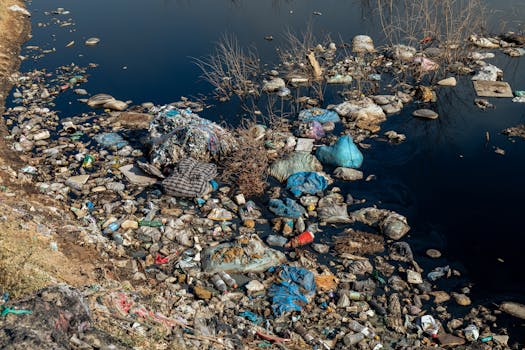
Solid waste management is another challenge. Addis Ababa generates over 3,000 tons of solid waste per day, with much of it ending up in open dumpsites. Poor waste disposal leads to water contamination, soil pollution, and health hazards for urban residents.
Addressing urban environmental issues requires investments in public transport, cleaner energy sources, and modern waste management systems. Public awareness and policy enforcement are also critical to reducing pollution and improving urban living conditions.
Comparative Overview: Ethiopia’s Environmental Challenges in Context
To better understand the scope of Ethiopia’s environmental issues, it is helpful to compare key indicators with those of other African countries facing similar challenges.
| Country | Forest Cover (% of land, 2022) | Annual Deforestation Rate (%) | Access to Safe Drinking Water (%) | Population Below Poverty Line (%) |
|---|---|---|---|---|
| Ethiopia | 15 | 0.9 | 39 | 23.5 |
| Kenya | 7 | 0.3 | 59 | 36.1 |
| Uganda | 12 | 2.6 | 42 | 21.4 |
| Nigeria | 9 | 0.8 | 70 | 40.1 |
This table illustrates that while Ethiopia has a higher forest cover than some neighbors, its deforestation rate remains high, and access to safe water is particularly low. These interconnected challenges underscore the need for integrated, multi-sectoral environmental strategies.
Toward a Sustainable Future for Ethiopia
The environmental challenges facing Ethiopia are complex and deeply interwoven with social, economic, and political factors. Deforestation, soil erosion, water scarcity, biodiversity loss, and urban pollution are not isolated problems; they are symptoms of a broader struggle to balance human development with ecological stewardship.
Addressing these issues requires a comprehensive approach. This includes strengthening environmental governance, investing in sustainable agriculture and water management, promoting renewable energy, and fostering environmental education. International cooperation and community participation are also vital, as many environmental problems cross borders and affect people at every level of society.
Despite the scale of the challenges, there are reasons for hope. Grassroots initiatives, government reforms, and growing environmental awareness among Ethiopians are paving the way for positive change. By embracing sustainable practices and valuing its unique natural heritage, Ethiopia can build a resilient future for both people and the environment.