Ethiopia’s Wildlife Wonders: A Comprehensive Guide to the Animals and Ecosystems of the Horn of Africa
Ethiopia, the rugged and storied land in the Horn of Africa, is a country of extraordinary biodiversity. From the soaring peaks of the Simien Mountains to the arid lowlands of the Danakil Depression, Ethiopia’s landscapes are as varied as its wildlife is unique. With more than 320 recorded mammal species, over 860 bird species, and a spectacular range of endemic animals found nowhere else in the world, Ethiopia is a must-visit destination for wildlife enthusiasts and conservationists alike. This comprehensive guide explores the country’s most remarkable animals, its dramatic habitats, and the conservation efforts shaping their future.
The Unique Biodiversity of Ethiopia: What Sets It Apart?
Ethiopia is classified as one of the world’s 36 biodiversity hotspots, a designation given to regions with exceptional concentrations of endemic species that are also facing significant threats. The country’s position at the crossroads of the Afrotropical and Palearctic ecozones, combined with its diverse range of altitudes—spanning from 125 meters below sea level in the Danakil Depression to 4,550 meters above sea level in the Simien Mountains—creates a patchwork of habitats supporting a dazzling array of wildlife.

Approximately 31 mammal species and over 20 bird species are endemic to Ethiopia, meaning they are found nowhere else on Earth. Among these are the iconic Ethiopian wolf, the striking gelada baboon, and the mystical mountain nyala. Ethiopia is also home to six UNESCO Biosphere Reserves, such as the Kafa Biosphere Reserve and the Sheka Forest, which protect critical ecosystems and endangered animals.
Ethiopia’s remarkable biodiversity is not just a point of national pride—it’s also a critical asset for global conservation. For example, the country is a significant center of origin and diversity for important crops such as coffee (Coffea arabica), which itself supports a host of wildlife in Ethiopia’s montane forests.
Endemic Mammals: Ethiopia’s One-of-a-Kind Wildlife
Ethiopia’s highlands and forests are home to some of Africa’s most unique mammals, many of which are found only within the nation’s borders.
Ethiopian Wolf (Canis simensis) Often called the world’s rarest canid, the Ethiopian wolf is an elegant, fox-like animal with a russet coat and striking white markings. Fewer than 500 individuals survive today, making them one of the world's most endangered carnivores. Ethiopian wolves are found only in the Bale and Simien Mountains, where they hunt giant mole-rats and other rodents in the Afro-alpine grasslands.
Gelada Baboon (Theropithecus gelada) Known as the “bleeding-heart monkey” due to the red patch of skin on its chest, the gelada baboon is not actually a true baboon but the last surviving species of ancient grazing primates. With an estimated population of over 200,000, they are mainly found in the Simien and Guassa plateaus, living in large, complex social groups that can number hundreds of individuals.
Mountain Nyala (Tragelaphus buxtoni) The elusive mountain nyala is a handsome antelope endemic to the southeastern highlands. Characterized by spiral horns and a grayish-brown coat, fewer than 2,500 mountain nyalas are thought to remain in the wild, primarily in the Bale Mountains.
Walia Ibex (Capra walie) The Walia ibex is a wild goat species found only in the Simien Mountains National Park. With fewer than 1,000 individuals left, the Walia ibex is a conservation icon for Ethiopia, recognized by its large, curved horns and agile climbing abilities.
Here’s a quick overview of some of Ethiopia’s most famous endemic mammals:
| Species | Estimated Population | Primary Habitat | IUCN Status |
|---|---|---|---|
| Ethiopian Wolf | <500 | Bale & Simien Mountains | Endangered |
| Gelada Baboon | ~200,000 | Simien & Guassa Highlands | Least Concern |
| Mountain Nyala | <2,500 | Bale Mountains | Endangered |
| Walia Ibex | <1,000 | Simien Mountains | Endangered |
Avian Treasures: Ethiopia’s Birdlife Paradise
Ethiopia is a birdwatcher’s dream, boasting over 860 recorded species, of which at least 20 are endemic. The country’s dramatic topography and varied habitats—from wetlands and rift valley lakes to mountain forests—support a vast array of spectacular birds.
Blue-winged Goose (Cyanochen cyanoptera) Endemic to the Ethiopian highlands, this rare goose is found along mountain streams and lakes above 2,500 meters. The blue-winged goose is elusive but can be seen in Bale Mountains National Park.
Abyssinian Catbird (Parophasma galinieri) This secretive songbird is highly prized by birdwatchers and found only in the juniper woodlands of the Ethiopian highlands.
Prince Ruspoli’s Turaco (Tauraco ruspolii) With its vibrant green plumage and striking facial markings, this turaco is found in southern Ethiopia’s forests and is one of Africa’s most sought-after endemic birds.
Ethiopia’s wetlands and rift valley lakes also attract thousands of migratory birds, including flamingos, pelicans, and storks. Lake Langano, Lake Ziway, and Lake Tana are particularly renowned birding hotspots. BirdLife International recognizes 69 Important Bird Areas (IBAs) throughout Ethiopia, underscoring the country’s global significance for avian diversity.
From Highlands to Lowlands: Ethiopia’s Diverse Ecosystems
Ethiopia’s wildlife is closely tied to its remarkable range of habitats, each supporting distinct communities of animals and plants.
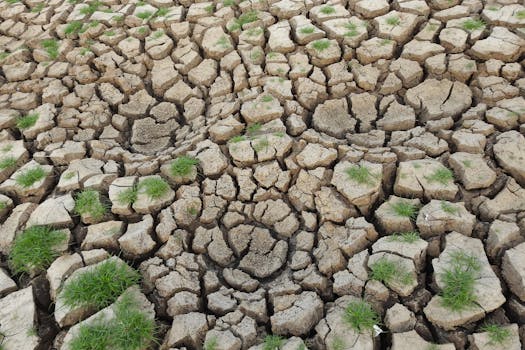
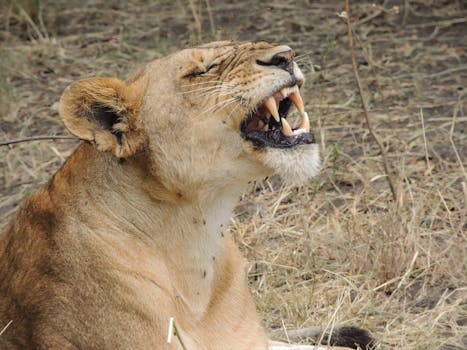
1. Afro-Alpine Highlands The Simien and Bale Mountains rise above 4,000 meters, cloaked in moorlands, grasslands, and giant lobelia plants. These highlands are home to the Ethiopian wolf, Walia ibex, and endemic birds such as the spot-breasted lapwing. 2. Montane Forests The moist, cool mountain forests harbor endemic primates, birds, and a wealth of plant species—including wild coffee. The Harenna Forest in the Bale Mountains is a hotspot for the endangered Bale monkey. 3. Rift Valley Lakes and Wetlands The string of lakes in the Great Rift Valley, including Ziway, Shala, and Abiata, support hippos, crocodiles, and vast flocks of waterbirds. These wetlands are crucial stopovers for Palearctic migratory birds. 4. Semi-arid Lowlands and Savannah The Omo and Awash valleys are characterized by acacia woodlands and savannah, supporting elephants, lions, and the endangered Grevy’s zebra. The Babile Elephant Sanctuary is one of the last strongholds for Ethiopia’s elephant population. 5. Arid Deserts The Danakil Depression is one of the hottest and lowest places on Earth. Though harsh, it is inhabited by unique reptiles, insects, and the resilient Afar people.Conservation Challenges and Success Stories
Despite its natural richness, Ethiopia’s wildlife faces significant threats. Habitat loss due to agricultural expansion, overgrazing, deforestation, and human-wildlife conflict are among the most pressing issues. Climate change is also impacting the fragile Afro-alpine ecosystems that support critically endangered species like the Ethiopian wolf.
However, there are notable conservation successes. The Simien Mountains National Park, a UNESCO World Heritage Site, has seen Walia ibex numbers increase from fewer than 200 in the 1960s to around 1,000 today. Community-based conservation in places like the Guassa Community Conservation Area has protected gelada baboons and rare birds while providing sustainable livelihoods for local people.
Ethiopia has also expanded its protected area network to cover over 16% of its land area, including 22 national parks and numerous wildlife reserves. Notable conservation organizations, such as the Ethiopian Wolf Conservation Programme and the Ethiopian Biodiversity Institute, are working tirelessly to protect the country’s unique species.
Wildlife Tourism in Ethiopia: Opportunities and Responsible Travel
Wildlife tourism in Ethiopia is on the rise, attracting visitors eager to see rare and endemic species in their natural habitats. Trekking in the Simien and Bale Mountains offers the best opportunities to observe Ethiopian wolves, gelada baboons, and endemic birds. Boat trips on Rift Valley lakes provide impressive birdwatching experiences, while the Awash and Omo valleys are ideal for spotting large mammals and experiencing Ethiopia’s cultural diversity.
Responsible tourism plays a vital role in supporting conservation. By choosing eco-friendly operators, respecting wildlife, and contributing to local conservation initiatives, travelers can help ensure that Ethiopia’s natural heritage endures for generations to come.
Final Thoughts on Ethiopia’s Wildlife Heritage
Ethiopia’s wildlife is a testament to the country’s ecological richness and evolutionary wonder. From the haunting calls of the Ethiopian wolf echoing across the Bale Mountains to the swirling flocks of flamingos on Rift Valley lakes, the country offers an unforgettable tapestry of life. While challenges remain, Ethiopia’s growing conservation movement and commitment to sustainable development provide hope for its unique species and habitats. For those seeking an authentic African wildlife adventure, Ethiopia offers experiences found nowhere else on earth.