Living Conditions in Rural Ethiopia: Challenges, Realities, and Hope for the Future
Ethiopia, often called the "Cradle of Humanity," is a nation rich in history and culture, with a population of over 126 million people as of 2023. While its cities like Addis Ababa have experienced rapid modernization, the majority of Ethiopians—approximately 78%—still reside in rural areas. These rural communities form the backbone of Ethiopian society, sustaining the country through agriculture and traditional livelihoods. However, living conditions in rural Ethiopia are shaped by a unique combination of challenges and opportunities. Understanding these conditions is essential for anyone interested in the realities of life outside Ethiopia's urban centers, whether for humanitarian, academic, or business purposes.
Daily Life in Rural Ethiopian Households
For most rural Ethiopians, a typical day begins at dawn. Families often live in tukuls—round, thatched-roof huts made from mud, wood, and straw—housing both people and livestock. Households are usually large, with an average of 4.6 persons per household based on the 2016 Ethiopian Demographic and Health Survey.
Access to basic utilities is limited. Only about 43% of rural households have access to improved drinking water sources, and less than 10% have access to electricity, according to World Bank data. Cooking is done over open fires, using wood or dung, which contributes to indoor air pollution and health issues, particularly for women and children.

Gender roles are pronounced: women and girls are typically responsible for fetching water, collecting firewood, preparing food, and caring for children. This daily labor can consume up to six hours per day, significantly impacting educational opportunities for girls.
Education and Child Development in Rural Ethiopia
Education is a major challenge in rural Ethiopia. While the government has made strides in expanding school infrastructure—primary school enrollment increased from 29% in 1989 to over 90% in recent years—attendance and completion rates remain low. In some regions, less than 50% of children complete primary school, and only about 25% advance to secondary education.
Barriers to education include:
- Distance: Many children must walk several kilometers to reach the nearest school. - Costs: While tuition is free, families often struggle to afford uniforms, books, and supplies. - Labor: Children, especially girls, are often kept at home to help with chores or farming.Despite these obstacles, education is highly valued. Community efforts and government programs continue to promote school attendance, and literacy rates have gradually improved, rising from 27% in 1994 to 52% in 2021 among rural populations.
Healthcare Access and Nutrition
Healthcare in rural Ethiopia is characterized by limited infrastructure and significant challenges. There are only about 1.5 physicians per 10,000 people, and many rural clinics are staffed primarily by nurses or health extension workers. Common health issues include malaria, respiratory infections, diarrheal diseases, and malnutrition.
Nutrition is a critical concern. According to UNICEF, 37% of children under five in Ethiopia are stunted due to chronic malnutrition, with rural areas most affected. Diets largely consist of injera (a traditional flatbread), cereals, and legumes, with limited access to fruits, vegetables, and animal protein.
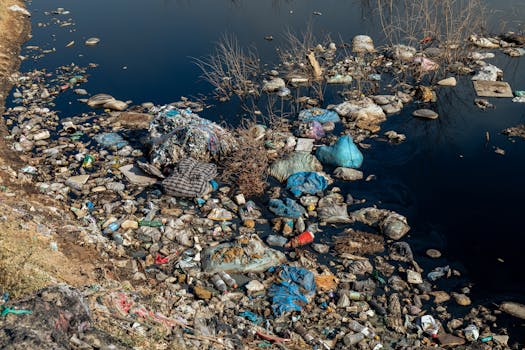
Waterborne diseases remain prevalent due to inadequate sanitation—only about 7% of rural households have access to improved sanitation facilities. Many families rely on rivers or unprotected wells for water, leading to high rates of water-related illnesses.
Agriculture, Livelihoods, and Economic Realities
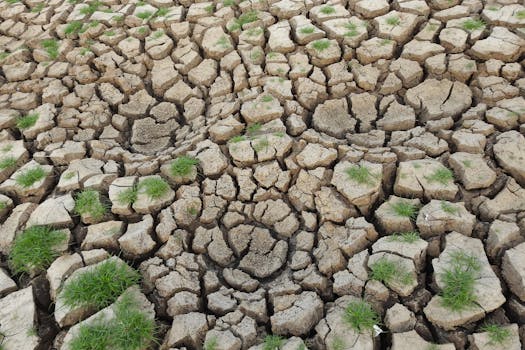
Agriculture is the mainstay of rural Ethiopian life, employing over 70% of the country's workforce. Smallholder farmers cultivate crops such as teff, maize, sorghum, and coffee (Ethiopia is the birthplace of coffee and one of Africa’s top producers). However, farm sizes are small—on average, just 1.2 hectares per household—and most farming is rain-fed, making it highly vulnerable to drought and climate change.
Livestock, including cattle, sheep, and goats, are vital assets, providing food, income, and social status. However, productivity is low due to limited access to veterinary care and improved breeds.
Non-farm income opportunities are scarce, leading to widespread poverty. In 2021, the rural poverty rate was estimated at approximately 26%, significantly higher than urban areas. Many families supplement their income through seasonal migration, remittances, or small-scale trading.
The table below compares selected living condition indicators between rural and urban Ethiopia:
| Indicator | Rural Ethiopia | Urban Ethiopia |
|---|---|---|
| Population Share (%) | 78% | 22% |
| Access to Electricity (%) | ~10% | ~95% |
| Access to Improved Water (%) | 43% | 96% |
| Primary School Completion (%) | ~50% | ~85% |
| Poverty Rate (%) | 26% | 7% |
| Stunting (Children under 5, %) | ~37% | ~20% |
Infrastructure and Connectivity
Infrastructure development in rural Ethiopia has lagged behind urban areas, though recent years have seen substantial investment. Road access is a major issue—only about 35% of rural villages are within two kilometers of an all-weather road. This limits access to markets, healthcare, and education, especially during the rainy season when roads can become impassable.
Telecommunications are expanding; mobile phone coverage reached about 60% of the rural population by 2022, up from less than 10% a decade earlier. However, internet access remains low, with only an estimated 7% of rural households having reliable connectivity.
Efforts to expand rural electrification, improve water supply, and build rural roads are ongoing, supported by both government and international partners. These initiatives are critical for economic development and improving overall living standards.
Cultural Traditions and Social Networks
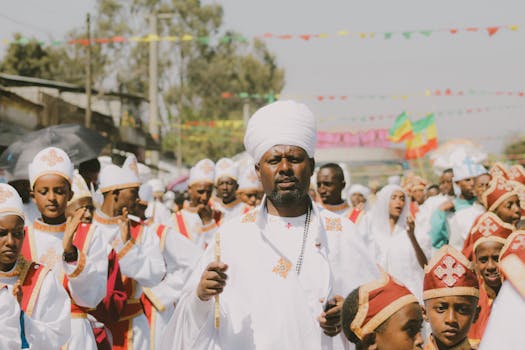
Despite facing significant hardships, rural Ethiopian communities are renowned for their resilience, strong social ties, and rich cultural heritage. Extended family networks provide vital support in times of need, and traditional practices—such as coffee ceremonies, communal work (debo), and seasonal festivals—play a central role in daily life.
Religious faith is also a cornerstone: Ethiopia is home to ancient Christian, Muslim, and indigenous spiritual traditions. Places of worship serve as centers of community life, offering both spiritual guidance and practical assistance.
In recent years, rural communities have increasingly participated in local decision-making through elected councils and grassroots organizations. These changes foster greater inclusion and collective action, helping communities adapt to challenges such as climate change and economic shocks.
Looking Forward: Opportunities and Ongoing Challenges
While rural Ethiopia faces immense difficulties, there are reasons for cautious optimism. National and international efforts have led to progress in health, education, and infrastructure. Programs such as the Productive Safety Net Programme (PSNP) have provided food security for millions, while new agricultural technologies and climate resilience projects are helping farmers adapt.
However, challenges remain: population growth, environmental degradation, and political instability continue to threaten progress. Ensuring that rural Ethiopians have access to quality education, healthcare, and economic opportunities will be crucial for the nation’s future.
Sustained investment, community engagement, and innovative partnerships will be essential to transform rural living conditions and unlock Ethiopia’s full potential.