Coffee is more than just a beverage in Ethiopia—it is a centuries-old tradition, a social glue, and a source of national identity. The story of Ethiopia’s coffee culture stretches from ancient legends to contemporary daily rituals, weaving together history, community, and economy in a way unlike anywhere else in the world. As the birthplace of Arabica coffee, Ethiopia’s relationship with coffee is both intimate and profound, influencing everything from family gatherings to international trade.
The Origins of Coffee: Ethiopia’s Legendary Discovery
Ethiopia’s coffee culture begins with a legend that has captured imaginations for generations. The story dates back over a thousand years to the Kaffa region of southwestern Ethiopia. According to folklore, a goat herder named Kaldi noticed his goats became unusually energetic after eating red berries from a certain bush. Curious, Kaldi tried the berries himself and experienced a newfound vitality. A local monk, upon hearing of Kaldi’s discovery, experimented with brewing the berries, leading to the earliest form of coffee as we know it today.
Whether or not every detail of this story is literal, historical records do confirm that coffee has its botanical origins in Ethiopia. Coffea arabica, the world’s most prized coffee species, grows wild in the lush highlands of Ethiopia—making the country not just the birthplace of the drink but also an ongoing source of genetic diversity for coffee plants worldwide.

The Coffee Ceremony: Ritual, Hospitality, and Social Life
In Ethiopia, the coffee ceremony is the heart of daily life and a symbol of hospitality. This elaborate, ritualized process is about much more than drinking coffee—it’s a communal act that brings families, neighbors, and guests together. The ceremony is performed up to three times a day in many households, especially during gatherings or special occasions.
The process typically begins with washing and roasting green coffee beans over an open flame. The aroma of roasting beans fills the home, signaling to all that a special moment is unfolding. The beans are ground by hand using a mortar and pestle, then brewed in a traditional clay pot called a jebena. The resulting brew is poured into small cups, often accompanied by snacks like popcorn or roasted barley.
The ceremony is not rushed; it can last over an hour and consists of three rounds of coffee—abol, tona, and baraka—each with its own significance. The third round, baraka, is believed to bring blessings to those who drink it. The Ethiopian coffee ceremony is an invitation to slow down, connect, and share stories—a living tradition that embodies Ethiopian values of respect and community.
Economic Significance: Coffee as Ethiopia’s Green Gold
Coffee is not just a cultural cornerstone; it is also the backbone of Ethiopia’s economy. As of 2023, Ethiopia is the largest coffee producer in Africa and the seventh largest in the world. Annually, the country produces over 7 million 60-kilogram bags of coffee—amounting to more than 420,000 metric tons. Coffee accounts for about 30% of Ethiopia’s total export earnings and directly supports the livelihoods of approximately 15 million people, from smallholder farmers to traders and exporters.
The importance of coffee to Ethiopia’s economy is further illustrated in the following comparative table:
| Country | Annual Coffee Production (Metric Tons, 2023) | Percentage of Export Earnings from Coffee | People Employed in Coffee Sector |
|---|---|---|---|
| Ethiopia | 420,000 | 30% | 15 million |
| Brazil | 3,000,000 | 3% | 8.4 million |
| Vietnam | 1,700,000 | 10% | 2.6 million |
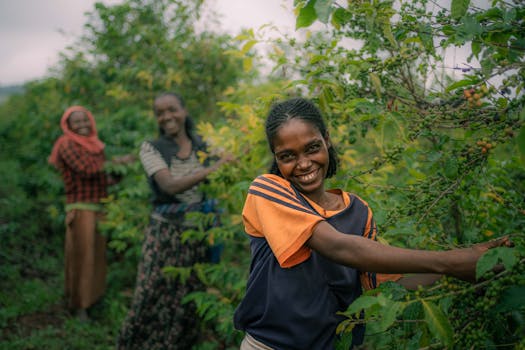
Unlike Brazil or Vietnam—where coffee is mostly grown on large plantations—over 95% of Ethiopian coffee is produced by smallholder farmers, many of whom use traditional, organic methods. This not only sustains rural communities but also preserves the unique flavors and genetic diversity of Ethiopian coffee.
Regional Varieties: The Diverse Flavors of Ethiopian Coffee
One of the most remarkable aspects of Ethiopia’s coffee culture is the incredible variety of flavors found across the country’s coffee-growing regions. Ethiopia is home to over 10,000 distinct coffee varieties, thanks in part to its wild coffee forests and diverse microclimates.
Major coffee regions include:
- Yirgacheffe: Renowned for its floral aroma, bright acidity, and notes of citrus and jasmine. Yirgacheffe coffees are often considered among the world’s finest. - Sidamo: Known for its medium body, delicate spiciness, and sweet, fruity flavors, Sidamo coffee is a favorite for specialty blends. - Harrar: Grown in the arid eastern highlands, Harrar coffee is famous for its wine-like complexity, bold body, and hints of blueberry and mocha. - Limu: Offers a balanced cup with pronounced sweetness and subtle floral undertones.These regional distinctions are so pronounced that coffee connoisseurs can often identify an Ethiopian coffee’s origin by taste alone. The country’s genetic diversity and traditional farming techniques ensure that each cup tells a unique story of place and people.
Coffee and Ethiopian Identity: Tradition, Symbolism, and Global Influence
The significance of coffee in Ethiopia extends well beyond the cup. Coffee is deeply woven into the nation’s identity, language, and values. In fact, the very word “coffee” is believed to derive from “Kaffa,” the Ethiopian region where the coffee plant was first discovered.
Coffee is often invoked in Ethiopian proverbs, poetry, and everyday speech. For example, the phrase “Buna dabo naw” (coffee is our bread) reflects the central role it plays in Ethiopian life. Sharing coffee is seen as a gesture of friendship and respect, and declining an invitation to a coffee ceremony is considered impolite.
The international influence of Ethiopian coffee culture is also significant. The country’s heirloom varieties are highly prized by specialty roasters and baristas worldwide. In 2010, Ethiopia was awarded Geographical Indication (GI) status for its Yirgacheffe, Sidamo, and Harrar coffees, helping to protect and promote the nation’s unique coffee heritage on the global stage.
Challenges and Innovations: Sustaining Ethiopia’s Coffee Heritage
Despite its rich traditions and economic importance, Ethiopia’s coffee sector faces a number of challenges. Climate change, market volatility, and threats to biodiversity pose risks to farmers and the country’s unique coffee varieties. For instance, unpredictable rainfall and rising temperatures have begun to affect yields in some regions. According to a 2021 study published in Nature Plants, up to 60% of Ethiopia’s current coffee-growing areas could become unsuitable for cultivation by the end of the century if current trends continue.
To address these challenges, Ethiopian farmers and organizations are embracing both traditional wisdom and modern innovation. Efforts include:
- Conservation of wild coffee forests, which act as vital reservoirs of genetic diversity. - Promotion of organic and shade-grown coffee, which supports both environmental sustainability and premium market prices. - Investment in cooperative models, enabling smallholders to access better training, resources, and international markets.Initiatives like the Ethiopian Commodity Exchange (ECX) have helped improve transparency and efficiency in the coffee trade, while projects supported by international organizations aim to empower women and young people within the sector.
The Enduring Legacy of Ethiopia’s Coffee Culture
Ethiopia’s coffee culture is a living testament to the enduring power of tradition, community, and innovation. From village homes to bustling city cafés, the rituals and flavors of coffee continue to unite Ethiopians across generations and regions. At the same time, Ethiopian coffee beans are savored in cities from Tokyo to New York, serving as ambassadors of the country’s rich heritage.
In a world where coffee is often consumed on the go, Ethiopia’s approach invites us to slow down and appreciate the connections forged over a shared cup. Whether experienced through a traditional ceremony or a single-origin brew, Ethiopian coffee offers a window into a culture where hospitality, identity, and resilience are inseparable from the drink itself.