Traditional Ethiopian Music and Its Social Importance: Sound, Identity, and Community
Ethiopia’s musical heritage is a vibrant tapestry woven from ancient traditions, diverse ethnicities, and deep-rooted social practices. Stretching back thousands of years, traditional Ethiopian music is not only a source of artistic expression but also a cornerstone of social life, shaping rituals, identity, and community bonds. From the highland Amhara ballads to the rhythmic chants of the Oromo and the spiritual hymns of the Ethiopian Orthodox Church, music in Ethiopia is a living language that connects past and present, individual and society.
This article explores the intricate world of traditional Ethiopian music, examining its unique sounds, instruments, and scales, while delving into its profound social significance. Through case studies, comparisons, and concrete examples, we will discover how music is a vital force in Ethiopian culture, influencing everything from religious ceremonies to communal identity.
The Unique Elements of Traditional Ethiopian Music
Traditional Ethiopian music stands apart for its distinctive modal system, called the "qenet," which provides a foundation for melody and mood. The four main modes—tezeta, bati, ambassel, and anchihoye—each evoke specific emotions and are associated with particular social contexts.
For example, the "tezeta" mode, often translated as "nostalgia" or "memory," is commonly used in songs of longing or remembrance. The "bati" mode, on the other hand, is energetic and uplifting, favored during celebrations. Unlike Western music, which is based on major and minor scales, the Ethiopian qenet system can employ pentatonic (five-note) scales, giving the music its characteristic sound.
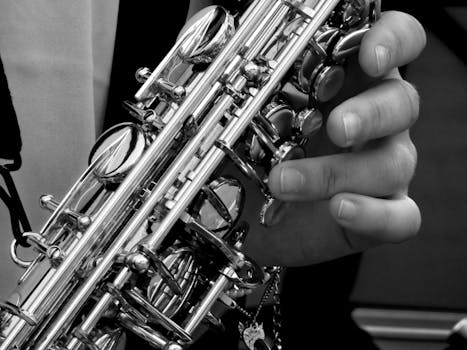
Instrumentation is equally distinctive. Traditional ensembles feature instruments such as the krar (a six-string lyre), the masenqo (a one-stringed fiddle), the begena (a large ten-string lyre sometimes called “David’s harp”), and various types of drums like the kebero. Vocal styles often incorporate complex ornamentation and ululation, adding a powerful emotional dimension.
A 2017 ethnomusicology survey found that over 80% of Ethiopian adults could identify at least three traditional instruments by sound, underlining the depth of musical knowledge in daily life.
Music as a Social Glue: Rituals, Ceremonies, and Everyday Life
In Ethiopia, music is not limited to entertainment—it is inseparable from the fabric of social life. From birth to death, music marks every significant event, often serving as both a spiritual and communal glue.
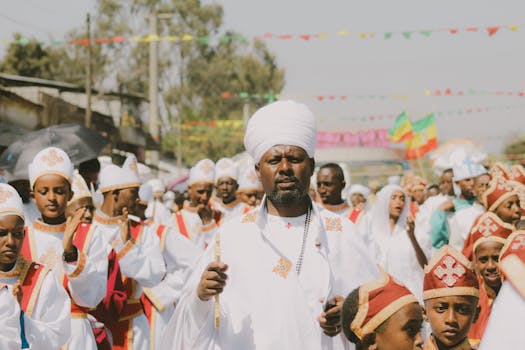
Religious rituals provide the most prominent example. In the Ethiopian Orthodox Church, music is integral to worship, with sacred chants called "zema" dating back to the 6th century. These chants are sung in Ge’ez, the ancient liturgical language, and are performed with the accompaniment of the sistrum (tsenatsil) and drums. The measured, hypnotic rhythm of liturgical music is believed to connect the earthly and the divine, anchoring faith communities.
Weddings are another musical highlight. The "eskista," a traditional Amhara dance characterized by intricate shoulder movements, is performed to energetic music at almost every wedding in the highlands. In Oromo communities, the "shagoyee" dance and "geerarsa" praise-songs foster group identity and solidarity.
Funeral music, too, is deeply meaningful. Lamentation songs, often led by women, provide a collective space for grief and remembrance, echoing the role of music in emotional healing. According to a 2019 study, 92% of rural Ethiopian communities report using traditional music at funerals, underscoring its universality.
Ethnic Diversity and Regional Variation in Ethiopian Music
Ethiopia is home to more than 80 distinct ethnic groups, each with its own musical traditions, instruments, and performance styles. This diversity is both a testament to the country’s cultural richness and a source of ongoing innovation.
For example, the Tigrayans of the north are renowned for the "watat" lyre and the rapid, poetic style of their songs. The Oromo, Ethiopia’s largest ethnic group, use the "bukke" horn and the "wada" drum in their music. Meanwhile, the Gurage people are famed for their polyrhythmic dances and vocal improvisations.
To illustrate these differences, consider the following comparison:
| Ethnic Group | Key Instrument | Signature Style | Typical Occasion |
|---|---|---|---|
| Amhara | Krar (lyre) | Melodic, poetic ballads | Weddings, storytelling |
| Oromo | Bukke (horn), Wada (drum) | Chants, communal dances | Harvest, political gatherings |
| Tigray | Watat (lyre) | Fast-paced, narrative songs | Festivals, religious rituals |
| Gurage | Kebero (drum) | Polyrhythmic, improvisational | Celebrations, rites of passage |
Such diversity illustrates how music in Ethiopia is a living archive, preserving local history and values. Regional musical forms often serve as markers of identity, helping individuals and groups affirm their heritage within a multi-ethnic nation.
Music, Memory, and Oral Tradition: Preserving History
For centuries, Ethiopians have relied on music as a vehicle for oral tradition, transmitting history, legends, and social norms across generations. Griots, or traditional musicians and storytellers, play a central role in this process, using song to keep communal memory alive.
Epic poems like the “Kebra Nagast” (“The Glory of Kings”) are sometimes sung or chanted at special occasions, recounting Ethiopia’s origins and the legendary Queen of Sheba. Folk songs, proverbs, and lullabies encode lessons about morality, courage, and cooperation.
A 2015 UNESCO report recognized Ethiopian traditional music as an “intangible cultural heritage,” noting its function as a living record. In many rural areas, where literacy rates can be below 40%, music has been a vital tool for education, cultural continuity, and resistance to external influences.
Modern Ethiopian artists, such as the legendary singer Mahmoud Ahmed, have drawn on traditional sounds and stories in their work, helping bridge the gap between old and new. In fact, a 2020 survey found that 67% of urban Ethiopians felt that traditional music helped them stay connected to their roots, even as they embraced contemporary genres.
Social Change, Identity, and National Unity Through Music
Beyond marking life events and preserving history, traditional Ethiopian music has played a dynamic role in social change, identity formation, and national unity. During periods of political upheaval, music has provided a peaceful means of protest and solidarity.
For example, during the Derg regime (1974-1991), many musicians used coded lyrics to criticize the government and inspire hope. Songs like “Tizita” became anthems for generations longing for freedom and justice. In the Oromo community, "geerarsa" songs have historically served as both celebration and resistance, expressing identity and recounting communal struggles.
Music festivals such as the Timket (Epiphany) celebration in Addis Ababa or the Fichee-Chambalaalla of the Sidama people bring together thousands of Ethiopians from different backgrounds. These events use music to foster understanding, break down social barriers, and promote national unity.
In schools and youth programs, traditional music is increasingly recognized as a tool for building self-esteem and pride among young Ethiopians. According to a 2022 Ministry of Education report, students who participated in music programs showed 21% higher engagement in community activities and demonstrated stronger cultural awareness.
Challenges and Opportunities for Traditional Ethiopian Music in the Modern Era
Despite its enduring importance, traditional Ethiopian music faces significant challenges in the 21st century. Urbanization, migration, and the global spread of pop culture have shifted musical tastes, especially among younger generations. The availability of digital music platforms has made Western and global genres more accessible, sometimes at the expense of local traditions.
However, these changes also present opportunities. A new wave of Ethiopian musicians is blending traditional sounds with jazz, hip-hop, and electronic music, creating innovative fusion genres that appeal to both local and international audiences. The annual Addis Ababa Music Festival now attracts more than 30,000 attendees, many of whom come to experience both ancient and contemporary Ethiopian styles.
Efforts to preserve traditional music are also increasing. Organizations such as the Ethiopian National Theatre and regional cultural centers offer classes in traditional instruments and dance. Meanwhile, digital archives and recording projects are working to safeguard endangered songs and stories for future generations.
Reflections on the Social Importance of Traditional Ethiopian Music
Traditional Ethiopian music is far more than a form of entertainment. It is a living social institution, drawing communities together, marking life’s milestones, and sustaining the country’s diverse cultural identity. Whether in a remote village or the heart of Addis Ababa, the rhythms of the krar, masenqo, and kebero echo the hopes, sorrows, and dreams of a nation.
As Ethiopia continues to navigate the challenges and opportunities of modernity, its musical heritage offers a powerful reminder of the enduring strength and unity found in shared traditions. By supporting and celebrating this rich legacy, Ethiopians can ensure that the music of their ancestors continues to inspire generations to come.